DTF vs. Vinyl on Apparel: Which Fits Your Design?
Posted by Ole Star Graphix on Oct 3rd 2026
Two common ways to decorate apparel are Direct-to-Film, or DTF, transfers and heat-transfer vinyl, often called HTV. Both use heat to apply a design, but the way the design is prepared is different.
What is DTF?
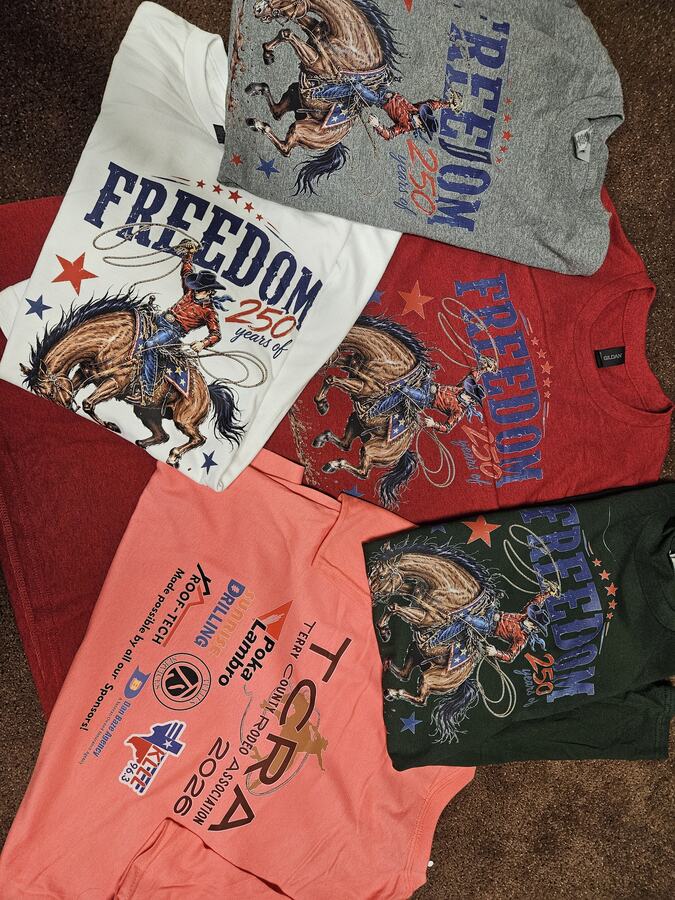
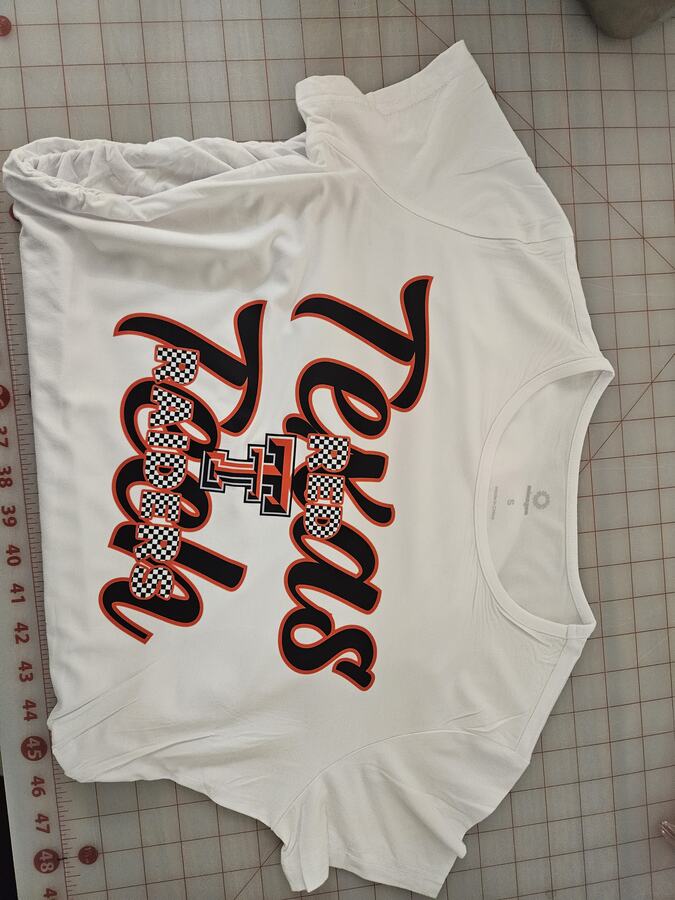
A DTF design is printed onto a special film and prepared with a heat-activated adhesive before being transferred to a compatible garment. It can be a useful choice for full-color logos, gradients and detailed artwork because the image is printed rather than built from individually cut color shapes.
Vibrant, full-color DTF prints
DTF allows for vibrant, full-color prints, including multicolor logos, gradients and detailed artwork. Because the design is printed onto film, its colors do not have to be built from individually cut pieces of standard vinyl. We confirm garment compatibility and the available decoration options for each project.
What is vinyl?
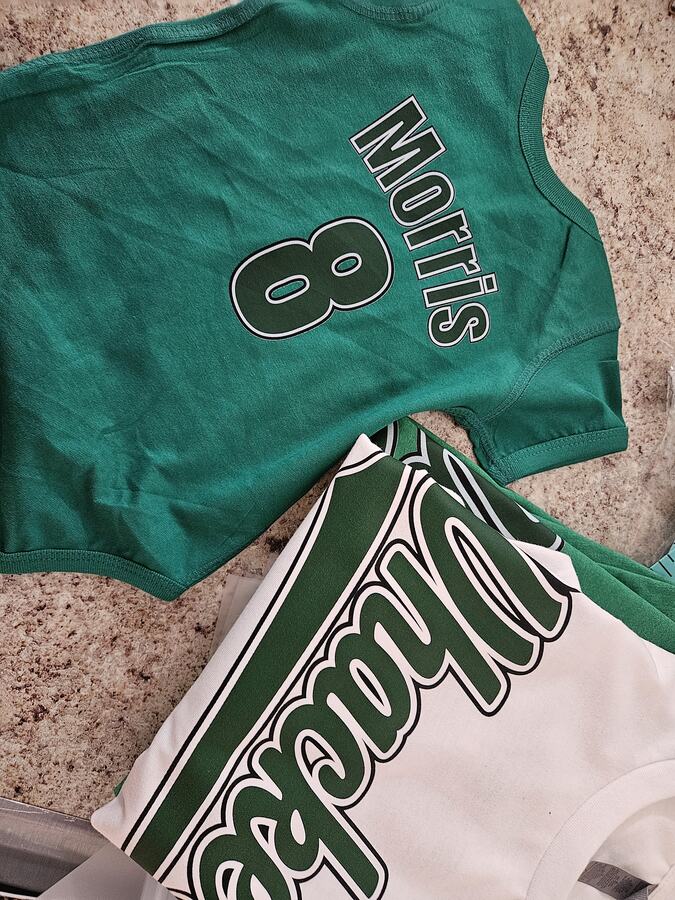
Standard cut HTV starts as a sheet or roll. The design is cut, the unwanted material is removed in a process called weeding, and the remaining design is heat applied. It is often a practical choice for names, numbers, simple lettering and bold shapes. Specialty vinyl can provide finishes such as glitter or reflective effects. Printable HTV also exists, so not all vinyl decoration is limited to simple solid colors.
How do you choose?
Start with the artwork, garment fabric, desired feel, quantity and intended use. Neither method is automatically best for every project. Large solid designs, fine details and different fabrics can change the result. Material compatibility, application settings and care instructions matter for both methods.
Send Ole Star Graphix your design and apparel details so available decoration options can be discussed. If you are still deciding, ask about options before placing an order.